
Events & News

How to Choose the Best International School in Singapore in 2026
How to Choose the Best International School in Singapore in 2026.
Education Tips

How to Choose the Best International School in Singapore in 2026
Selecting the right school plays an integral role in shaping your child’s academic journey. It is one of the most important decisions a family will make. In a globally connected city like Singapore, families have access to a wide range of outstanding international schools.
However, selecting a school is not an easy decision. It involves a significant financial and time commitment. International school fees are a substantial investment, and the years your child spends at school will shape not only their university pathways, but also their confidence, skills, and lifelong connections. Taking the time to research carefully now will make a meaningful difference in the years ahead.
With so many options available in 2026, how do you decide which school is the best fit for your child and your family?
Here is a practical guide to aid you in making a confident and informed choice.
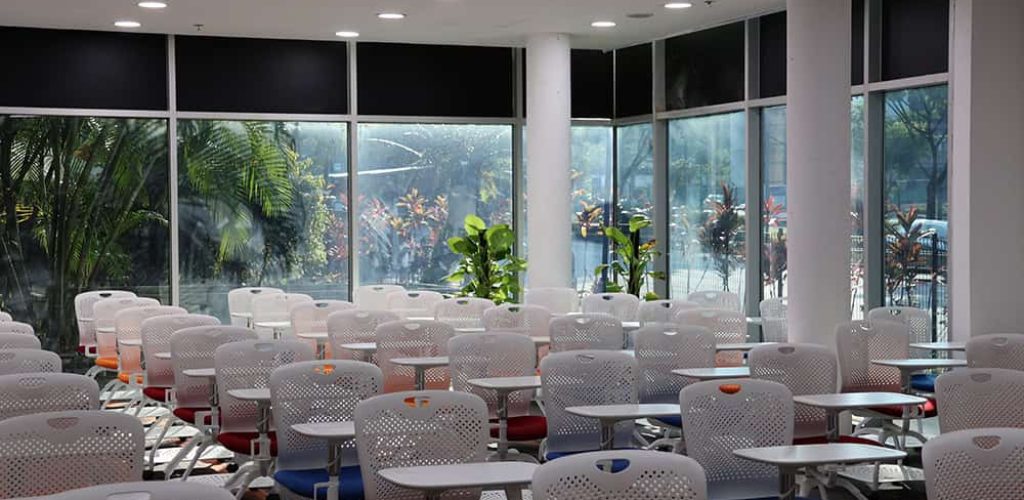
Multifunctional Room 01-05 1
1. Understand your Child’s Needs and your Family’s Goals
Every child is unique, and every family has its own circumstances. The “best” school is not necessarily the most famous one. It is the one where your child will thrive.
Factors to consider:

- What learning style suits your child?
- Does your child need language support?
- Are sports, arts, or technology a priority?
- Is wellbeing and pastoral care a key concern?
- Will your child require additional guardianship or boarding support?

Some families relocate to Singapore for short-term assignments, while others plan to stay long-term. In other cases, parents may choose to have their child study in Singapore independently while the family remains in their home country.
For children studying abroad on their own, additional considerations become especially important, including boarding arrangements, approved guardianship, pastoral care systems, emotional wellbeing, safety, and integration support for international students.
Your family’s circumstances and duration of stay can influence whether you prefer a globally transferable curriculum or one aligned with a specific national system. Clarifying these factors early will help narrow your choices and ensure the school you select is equipped to support your child both academically and in their overall development.
teacher conducting lessons at an international school
2. Understand the Curriculum Options in Singapore
Singapore offers a diverse selection of international curricula. In 2026, the most common include:
British Curriculum
Schools offering IGCSEs and Cambridge A-Levels follow the English National Curriculum framework. These qualifications are recognised worldwide and provide strong preparation for UK and international universities.
International Baccalaureate (IB)
The International Baccalaureate is widely recognised for its academic rigour and global outlook. It places emphasis on inquiry-based learning, research skills, and international-mindedness.
American Curriculum
Schools following the American curriculum typically offer a High School Diploma alongside Advanced Placement courses, offering flexibility and a broad subject selection.
Australian Curriculum
Australian-based programs are known for their student-centred approach, with emphasis on critical and creative thinking, and a focus on both academic and co-curricular development.
Enrolling in Australian universities is a common next step, similar to how local polytechnic and junior college graduates often pursue higher education there. At the same time, these qualifications also open pathways to international universities.
Other National Curricula
Singapore is also home to schools following French, German, Japanese, and other national systems. Each offers a pathway that aligns with its home country’s standards, providing families with options for continuity or specific university preparation.
When comparing schools, consider how portable the qualifications are, the learning approach of each curriculum, and how well they align with your child’s future academic and university plans.
Students playing basketball
3. Look Beyond Academics
Academic results matter, but they are only one part of the picture. In 2026, leading international schools in Singapore place a strong emphasis on developing well-rounded students.
Many schools focus on:

- Holistic education
- Character development
- Leadership opportunities
- Community engagement
- Student wellbeing

Beyond classroom learning, enrichment opportunities play an important role in supporting a child’s overall development. These experiences allow students to explore interests and develop skills that extend past academic study.
Enquire about extracurricular activities, sports programmes, performing arts, service learning, and out-of-classroom education. A strong co-curricular programme helps children build confidence, resilience, teamwork, and social skills.
Classroom
4. Consider Class Sizes and Teacher Quality
High-quality teachers make the greatest difference in a child’s education. Strong educators are able to adapt to different learning styles, ensuring that each student receives the support they need to succeed. Beyond delivering lessons, effective teachers also inspire curiosity, build confidence, and create a supportive learning environment where students feel comfortable asking questions and clarifying doubts.
When evaluating schools, look for those that:

- Recruit experienced, internationally qualified educators
- Maintain reasonable student-teacher ratios for personalised learning
- Provide strong pastoral care systems

It is also worth asking about staff retention rates. Consistency in teaching staff can indicate a positive school culture.
5. Assess Community and Culture
One of the greatest benefits of studying in Singapore is the opportunity for students to engage with different perspectives and experiences. Schools can provide a supportive and inclusive environment that helps every child feel at home and connected.
During school visits, consider asking:

- How are new students and families supported?
- Is there a strong parent and student community?
- How does the school encourage cross-cultural awareness and collaboration?
- What communication systems are in place between the school and parents?

A welcoming and inclusive community helps students settle in quickly, build friendships, and thrive both socially and academically.
6. Review Accreditation and Governance in Singapore
Reputable international schools are accredited by recognised educational bodies. Accreditation ensures that a school meets high standards in teaching, governance, safeguarding, and financial stability.
In Singapore, all private education institutions (PEIs), including international schools, must be registered under the Enhanced Registration Framework (ERF) administered by SkillsFuture Singapore (SSG). This registration ensures that schools meet basic regulatory standards in governance, administration, academic processes, and fee protection.
Many schools also hold the EduTrust certification, a quality assurance scheme recognising higher standards in areas such as student support, academic quality, and administrative processes. EduTrust certification is required for schools that wish to enrol international students who need a Student’s Pass. Families are further protected through the Fee Protection Scheme (FPS), which safeguards tuition fees.
Additionally, schools often hold accreditation from international organisations aligned with their chosen curriculum, providing an extra layer of assurance regarding educational quality and global standards.
7. Visit and Ask Questions
No website or brochure can replace an in-person visit.
Attend open houses, conduct campus tours, speak with admissions staff, and meet teachers. Take the time to assess the school’s facilities, including classrooms, libraries, sports complexes, and arts spaces. Observe how students interact with one another and with staff.
Most importantly, ask yourself:
"Can I see my child being happy here?"
Application img
Final Thoughts
Singapore remains one of the world’s leading education hubs in 2026. The city’s safety, multicultural environment, and academic excellence make it an exceptional place for international families.
Choosing the best school is not about rankings. It is about fit, community, and long-term growth. While academic results are important, the best school for your child is one that supports their growth, nurtures their interests, and provides a safe, engaging environment.
By taking the time to clarify your priorities, explore curriculum options, evaluate teachers, and visit campuses in person, you can make a confident and informed decision that supports your child’s success both academically and in their overall development.
Every family’s circumstances are different, but what matters most is finding a school where your child can thrive, feel supported, and enjoy learning every step of the way.
We invite you to explore our campus and see firsthand how our international community supports students in thriving academically and socially.